


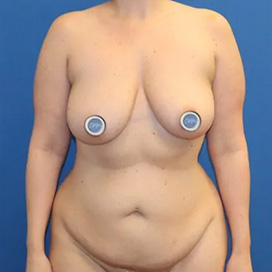
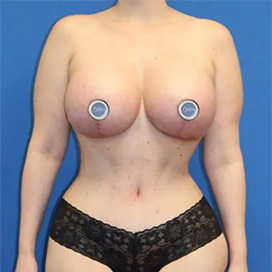
Breast Reduction Covered By Insurance
Conveniently located to serve the areas of Houston, TX

A breast reduction is a procedure that reduces the overall size of your breasts to relieve physical pain, improve posture, and boost emotional well-being and daily mobility. Your insurance company can cover your reduction if and when they deem the procedure medically necessary.
Dr. Oren Paul Mushin, MD, leads Memorial Center for Cosmetic Surgery by putting each patient first and providing the high-quality, pampering care they deserve. With more than 15 years of plastic surgery experience, a commitment to safety, and a dedication to compassionate patient care, he is committed to meeting patient expectations through personalized treatment plans.
If you are experiencing discomfort due to enlarged breast size and wish to explore your reduction options, contact us online or call our office at (713) 722-7400 to schedule your personal consultation.
Contents
- 1 About Breast Reduction
- 2 Who Qualifies for Insurance-Covered Breast Reduction?
- 3 Personal Consultation
- 4 Insurance Review and Decision
- 5 What Happens If Your Insurance Claim is Denied?
- 6 Cost of Breast Reduction in Houston
- 7 FAQ
- 7.1 Who qualifies for an insurance-covered breast reduction?
- 7.2 What are the benefits of a breast reduction?
- 7.3 Do insurance companies typically cover a breast reduction procedure?
- 7.4 What happens if your request for a breast reduction is denied?
- 7.5 If my breast reduction is approved, how much would my insurance company cover?
- 7.6 Will insurance ever cover any other breast procedures?
- 8 References
About Breast Reduction
A breast reduction is a surgical procedure that removes excess breast tissue, fat, and skin to create a breast size that is more proportionate to the patient’s body. This procedure is ideal for individuals who are experiencing chronic neck, back, and shoulder pain, poor posture, psychological distress, and skin irritation. (1) It aims to reduce overall breast volume while maintaining nipple-areola viability and achieving an aesthetically pleasing shape.
Beyond the operating room, the comprehensive benefits of breast reduction are transformative. Many patients experience immediate physical relief as the center of gravity shifts, allowing for improved postural and spinal alignment. This thoracic relief often eliminates the deep shoulder grooving caused by bra straps and resolves chronic neurological symptoms in the arms and hands. Furthermore, the restoration of quality of life is profound; patients frequently report a renewed ability to engage in physical exercise without discomfort, leading to enhanced cardiovascular health and a significant boost in psychological well-being and body confidence.
Who Qualifies for Insurance-Covered Breast Reduction?
To qualify for an insurance-covered breast reduction, you must provide evidence of medical necessity as well as documentation of at least 3 to 6 months of “failed conservative management.” Examples of this include physical therapy, weight management, and chiropractic sessions. If you are experiencing any of the following ongoing symptoms and have been unsuccessful in treating them non-surgically, you may be eligible for an insurance-covered breast reduction:
- Chronic Pain: Ongoing neck, shoulder, and back pain can cause severe discomfort, which can disrupt your normal quality of life and daily routine. Additionally, chronic pain can also cause persistent headaches because of the heavy breasts.
- Bra Strap Grooves: The weight of your breasts can cause deep, painful indentations on your shoulders and back resulting from bra straps.
- Skin Infections: Persistent skin-on-skin contact at the inframammary fold can lead to chronic infections, chafing, and painful rashes resistant to creams and powders.
- Nerve Symptoms: Enlarged breasts can cause numbness or tingling in your arms and hands from nerve compression. This is because the heavy forward weight pulls the spine and shoulder out of alignment.
- Failure of Conservative Management: Your symptoms persist despite supportive garments, physical therapy, weight management, and pain relief medications due to excessive breast weight.
Some insurance companies will also require a certain BMI to qualify for a breast reduction. Typically, most surgeons will not accept patients who have a BMI higher than 32 or 35, as it may lead to a high risk of complications.
Dr. Mushin has in-network status for Blue Cross Blue Shield, Cigna, Aetna, United Healthcare, UMR, and select others. Patients with these carriers can qualify for insurance coverage, and he and his team will help them through the process.
Personal Consultation
During your personal consultation, Dr. Mushin will review your medical history and discuss your symptoms and treatment goals. He will conduct a thorough physical exam, taking measurements and clinical photographs to evaluate your eligibility and support your case for medical necessity. To ensure the amount of tissue removed satisfies your insurance company’s requirements, Dr. Mushin will use the Schnur Scale to calculate your Body Surface Area (BSA). (2) Additionally, Dr. Mushin and his team will assist you in collecting all required medical records and documents to demonstrate the duration and history of your symptoms for insurance qualification.
To explore your potential for breast reduction and receive guidance on navigating the insurance process, contact us online or call our office at (713) 722-7400 to schedule a personal consultation.
Insurance Review and Decision
The insurance process is a slow journey that requires patience, ample documentation, and collaboration with your trusted medical specialists, including Dr. Mushin and his insurance coordinators, who are committed to helping you build your case for approval.
- Pre-Authorization: Dr. Mushin’s office will submit a pre-authorization packet containing pertinent medical records, clinical photographs, and a detailed letter of medical necessity.
- Initial Decision: The insurance company will evaluate your documentation against their internal policies. This review typically takes two to four weeks.
- Approval: The insurer will issue a prior authorization, which will be valid for up to 90 days, which means that your surgeon’s office can schedule the operation while discussing your remaining out-of-pocket deductible or copay options.
- Request for More Information: The insurance company will ask for further clarification or missing records to reach a final decision. If this occurs, you must respond quickly to keep the timeline active and accurate.
- Peer-to-Peer Review: If your initial request is denied, Dr. Mushin can schedule a direct “peer-to-peer” meeting with your insurance carrier’s medical director to further defend the medical necessity of your procedure.
What Happens If Your Insurance Claim is Denied?
Receiving a denial from your insurance company can be a frustrating, confusing, and discouraging experience. However, a denial is not the final decision, and you have the right to an appeal. Insurance companies may deny claims for several reasons, including missing forms, errors in billing codes, a lack of photos or necessary medical records, or because the specific procedure or service is excluded by your contract. If your claim is denied, you have the right to correct administrative mistakes, request a formal explanation, or file an internal or external appeal.
To move forward with a second attempt, you should identify the exact reason for the denial, resolve any technical errors, and submit a formal written request for a secondary review, along with any additional supporting documents. Our team remains deeply involved at every stage of this process, knowing that persistence and thorough documentation are frequently the keys to securing the outcome you deserve. (3)
Cost of Breast Reduction in Houston
The cost of a breast reduction varies depending on factors including anesthesia and facility fees, as well as surgical technique. Memorial Center for Cosmetic Surgery has in-network status for Blue Cross Blue Shield, Cigna, Aetna, United Healthcare, UMR, and others, so patients with these carriers may qualify if they meet the aforementioned requirements.
Even with insurance coverage, patients should be prepared for out-of-pocket expenses, including your deductible and co-pay. Once your treatment plan has been approved for coverage, a staff member from Dr. Mushin’s office will contact you to schedule your surgery, and you can discuss any remaining financial obligations with your insurance provider. To learn more about breast reduction pricing, contact us online or call our office at (713) 722-7400 to schedule your personal consultation and learn more about your breast reduction pricing.
FAQ
Who qualifies for an insurance-covered breast reduction?
Your insurance company will determine your candidacy for a breast reduction procedure based on what they deem to be a medical necessity. Your insurance company must review your request and approve of it as essential for treating various conditions that may be disrupting your health and quality of life.
What are the benefits of a breast reduction?
A breast reduction can relieve chronic physical pain, eliminate rashes that may cause discomfort and irritation on the skin, and improve your quality of life. A reduction can also improve your posture, boost your self-esteem, and allow you to feel more confident in certain clothing than before.
Do insurance companies typically cover a breast reduction procedure?
Insurance companies typically cover a breast reduction procedure when your breasts are causing chronic physical symptoms and after non-surgical treatments have failed.
What happens if your request for a breast reduction is denied?
If your request for a breast reduction is denied, you have the choice to request a formal explanation, correct administrative errors, or file an internal or external appeal. Dr. Mushin will do everything he can to avoid receiving a denial, but if it happens, he will assist you in every step of the way to try again.
If my breast reduction is approved, how much would my insurance company cover?
If your breast reduction procedure is approved by your insurance company, depending on the severity of your breast concerns, they typically pay for the majority of the surgical, anesthesia, and facility fees, but you may have to pay for your deductible, copayment, or non-covered extras.
Will insurance ever cover any other breast procedures?
This varies significantly depending on the procedure and the insurance plan. In most cases, insurance will not cover procedures such as breast lifts or augmentation, but coverage can be likely for reconstructive purposes.
References
- Sachs D, Szymanski KD. Breast Reduction. StatPearls Publishing; 2021. Accessed August 6, 2026. https://www.ncbi.nlm.nih.gov/books/NBK441974/
- Boyd CJ, Hemal K, Cohen JM, et al. Preauthorization Inconsistencies Prevail in Reduction Mammaplasty. Plastic and Reconstructive Surgery – Global Open. 2023;11(10):e5361. doi:10.1097/GOX.0000000000005361
- Zbar RIS, Taylor LD, Canady JW. Insurance-funded Breast Reduction in the United States: Ethical Management of Subaxillary Fat Pads. Plastic and Reconstructive Surgery – Global Open. 2024;12(11):e6378. doi:10.1097/gox.0000000000006378